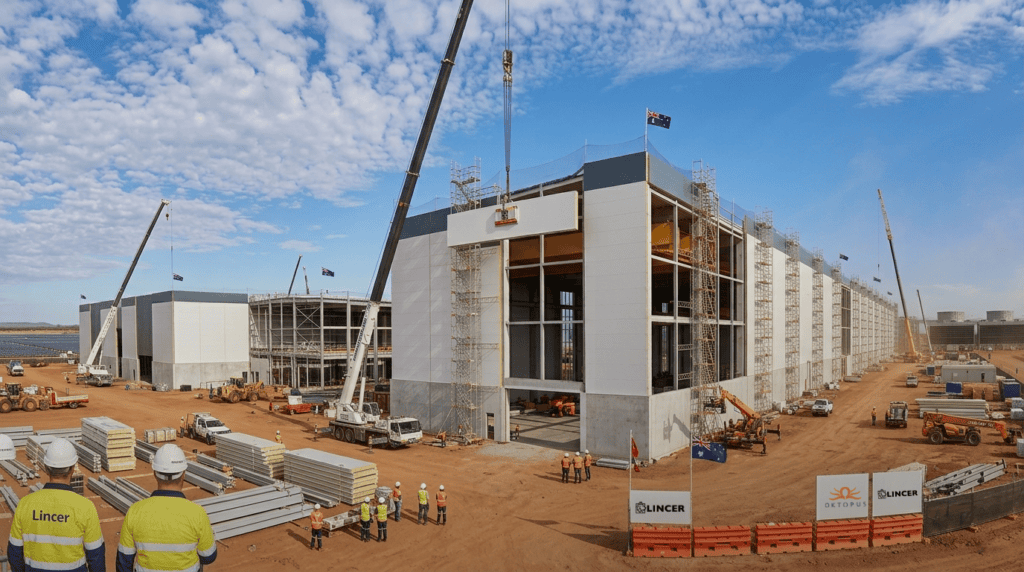
Australia's data centre construction pipeline is worth around US$20 billion right now. Sydney leads. Melbourne is catching up fast, helped by quicker approvals.
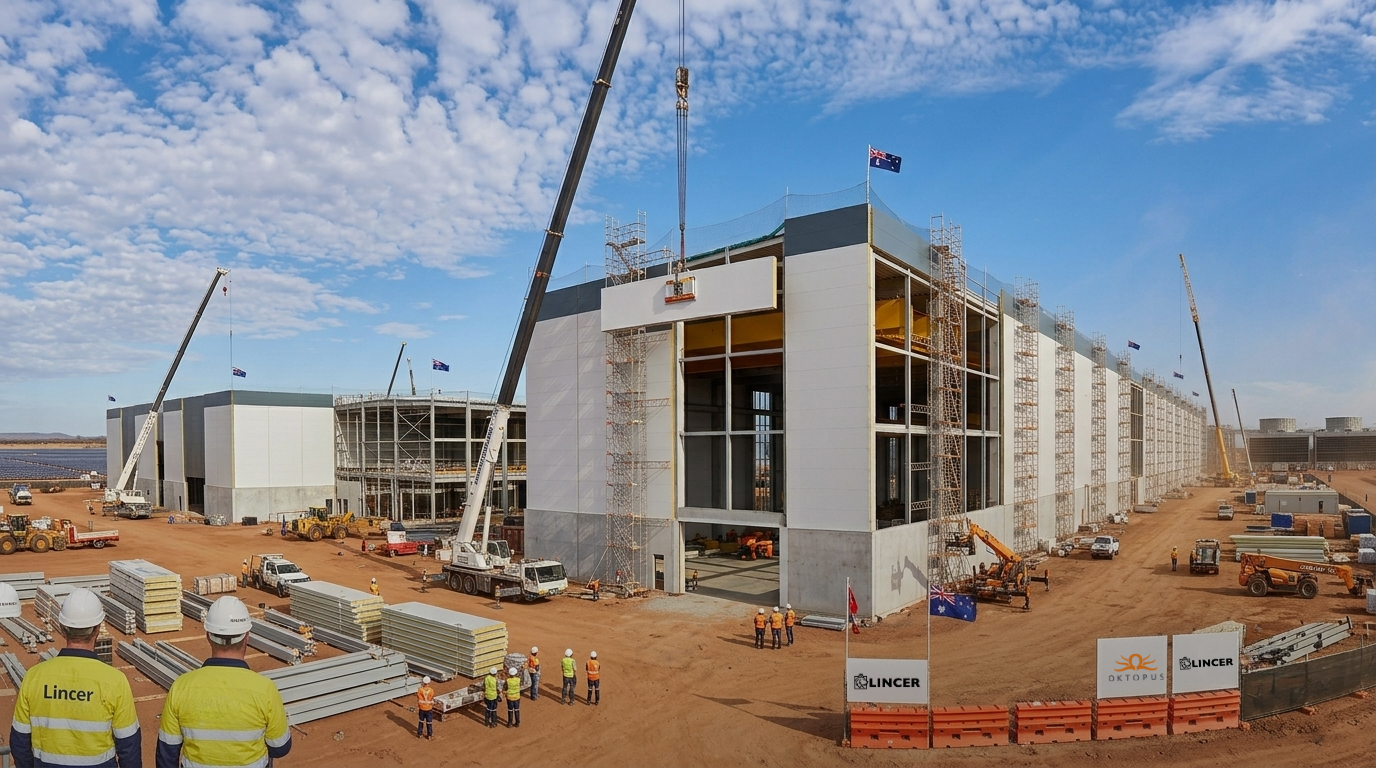
Every story about this boom reads like a tech story: AI, cloud demand, data sovereignty. All true. But strip the software away and it's a building site, with an envelope to close in and a schedule that doesn't move.
Why so many, why now
It's not really about hardware. It's about how fast AI tools went from novelty to background noise in ordinary life. ChatGPT, Claude, Gemini and Copilot aren't side projects anymore. Copilot sits inside Office. Gemini sits inside Workspace. People open one of these the same way they'd open email, and every query runs on a server that needs power, cooling and floor space.
Goldman Sachs expects AI adoption to push global data centre electricity demand up 160% by 2030. Australia's government is betting on the same trend, with a National AI Capability Plan built on the expectation that AI and automation could add up to $600 billion a year to GDP. That's the real driver behind the construction pipeline: a genuine shift in how people use these tools, and someone has to build the rooms that make it possible.
What's actually holding the walls up
A hyperscale data centre isn't a shed with racks in it. The envelope has to hit fire compliance, thermal performance and weather-tightness at once, because all three affect cooling load and uptime once the building is live. The standard answer is insulated panel systems: large composite panels that handle structure, insulation and weatherproofing in one pass instead of three separate trades.
Recent hyperscale builds through Melbourne's outer corridors, Truganina and Craigieburn among them, have gone up exactly this way. Every one of these projects runs on a milestone-driven schedule, and that's the environment where equipment being on site, certified and ready the day it's needed, decides whether a contractor hits its dates.
Where the opportunity sits for hire companies
This is the part that matters if you run a hire fleet. A build at this scale needs a steady supply of panel lifters for the envelope, telehandlers and forklifts for materials, scissor lifts and EWPs for fit-out, and mini cranes for tight plant room work. Builders on a milestone schedule don't shop around mid-contract. They lock in suppliers who can prove the gear is certified and available.
That's the opening: data centre and hyperscale-adjacent work, cold storage, cladding retrofits, panel-heavy commercial builds, is growing fast enough that a fleet built around it has a real edge over a generalist competitor. Queensland is worth watching too. Panel lifter demand there is climbing faster than almost anywhere else in the country.
How Lincer fits into moving fast on this
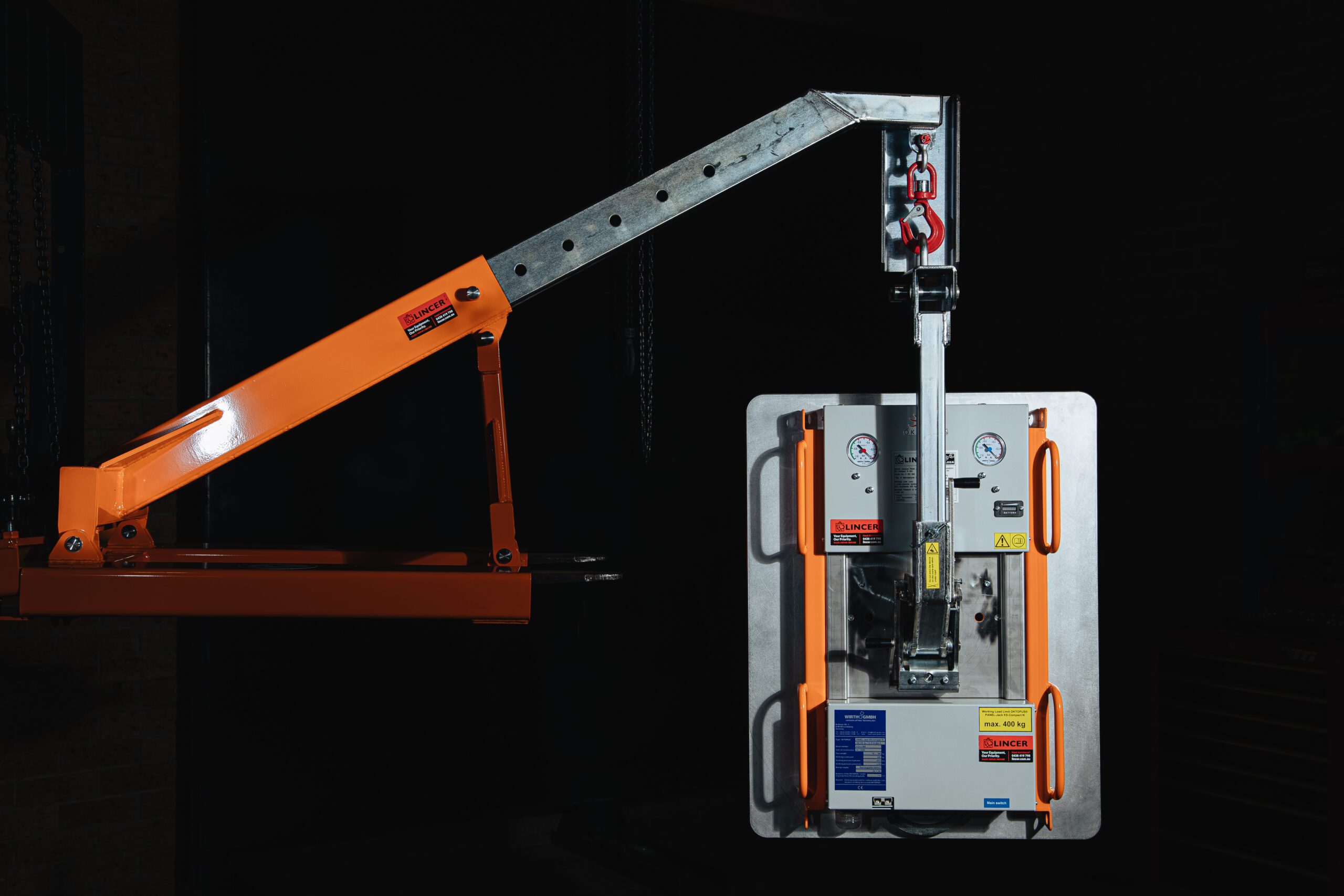
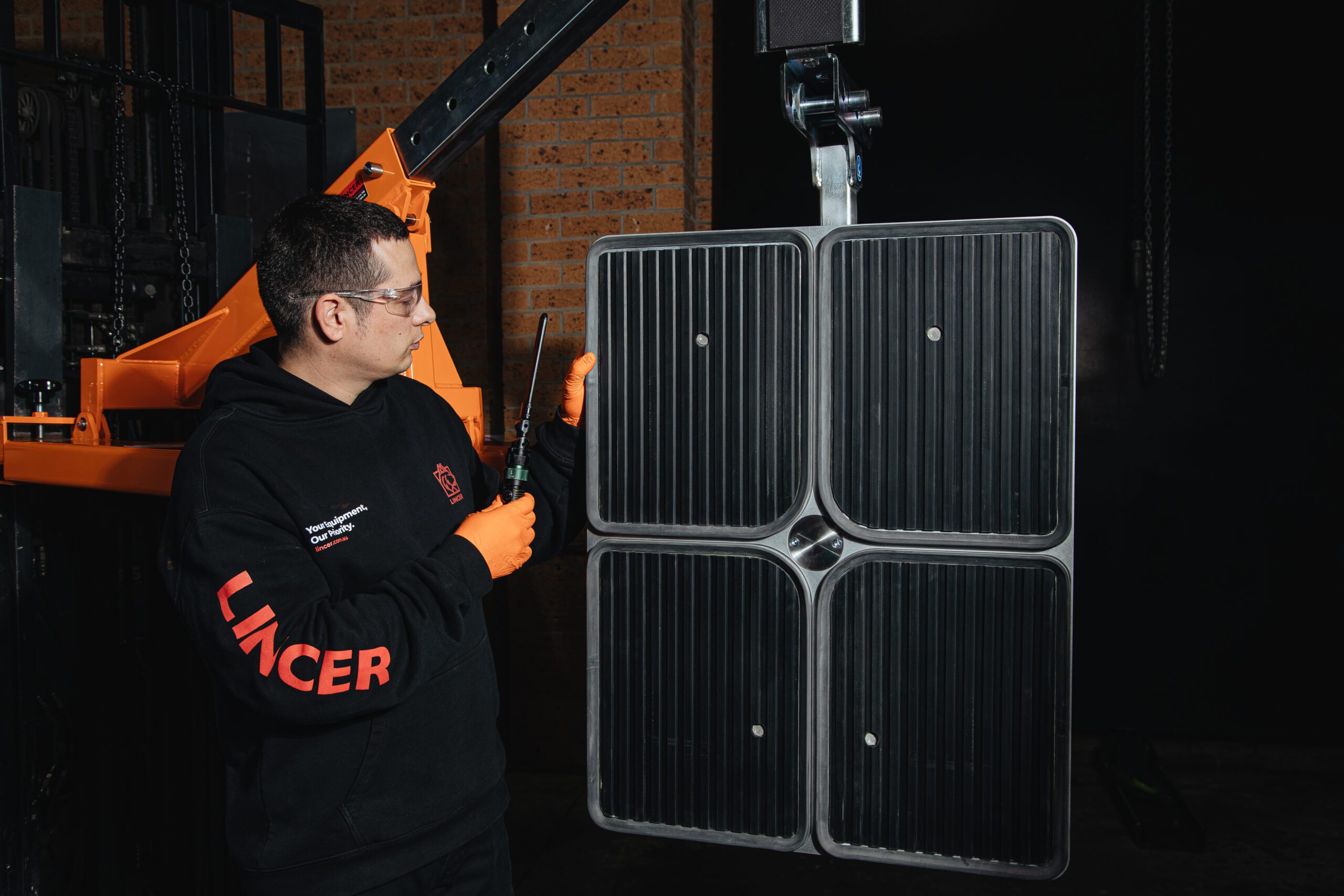
Acting on this comes down to two things: the right equipment, and having it certified before the tender closes, not after.Lincer is the authorised Australia and New Zealand dealer for OKTOPUS. The unit that comes up most for this kind of work is the PANEL-Jack KS/KS-e Compact: a 400 kg working load limit, a Wirth suction pad built for standard sandwich wall elements, which is most of what a data centre envelope is, and a battery-powered vacuum pump that holds suction for five minutes if power cuts out. The KS-e version runs on radio remote, so one person can operate it. For larger roof runs, the KT-B panel jack with a roof cross beam handles spans up to 22 metres.
Every unit runs a dual-vacuum circuit for backup, uses non-marking pads safe on Colorbond and PIR panels, and is engineered by Wirth GmbH in Germany to AS/NZS standards. See the vacuum lifters for panels range for full specs.
For a hire company adding this capacity, sourcing runs through Lincer directly rather than an overseas supply chain, which matters when a tender window is weeks, not months. Lincer also delivers VOC training and covers LEEA-accredited inspection, testing and repair across the rest of a fleet, so gear coming off one contract can be re-certified and back out the door for the next one.
A few quick questions
Sources
Building data centres in Australia – the new asset class for developers, Linesight, 25 July 2025 — $20 billion project pipeline, Sydney and Melbourne market positions.
The energy gap and power constraints: APAC and GCC, Linesight Construction Market Insights, 2025 H1 — global data centre electricity demand (415 TWh in 2024) and the Goldman Sachs 160%-by-2030 projection, Australia's ageing thermal power plants and renewables target.
Developing national AI capability, Australian Government Department of Industry, Science and Resources — National AI Capability Plan and the $600 billion/year GDP estimate.
Data Centre Roofing & Cladding, Barden-Steeldeck Industries — Truganina and Craigieburn hyperscale data centre projects, insulated roof panel systems.
Vacuum Lifters for Panels, Lincer — OKTOPUS panel lifter range, specifications and applications.
OKTOPUS® PANEL-JACK KS-/KS-e Compact, Lincer — KS/KS-e Compact specifications.