Looking for a vacuum lifter for glass installation? We supply the full OKTOPUS® range — built for glaziers, window installers, and façade contractors, with expert support across Australia.
Safe Glass Installation Starts with the Right Lifting Solution
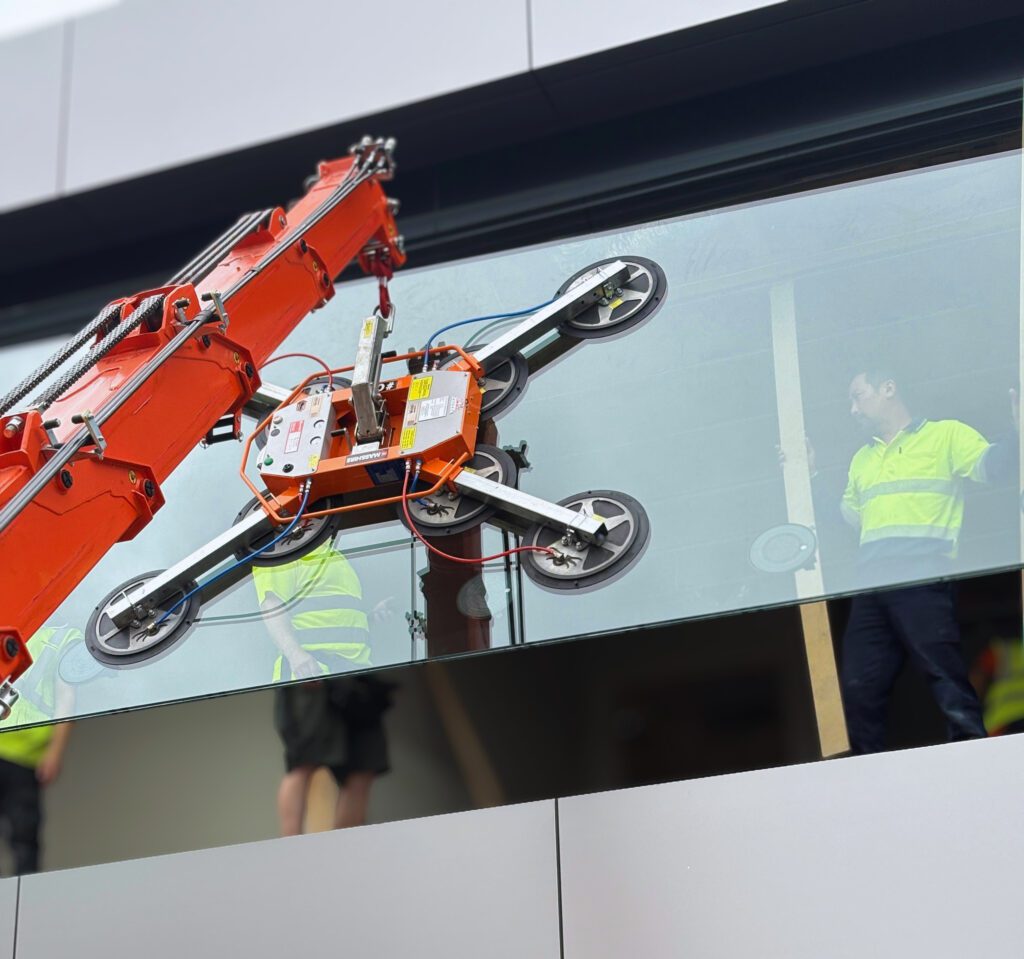
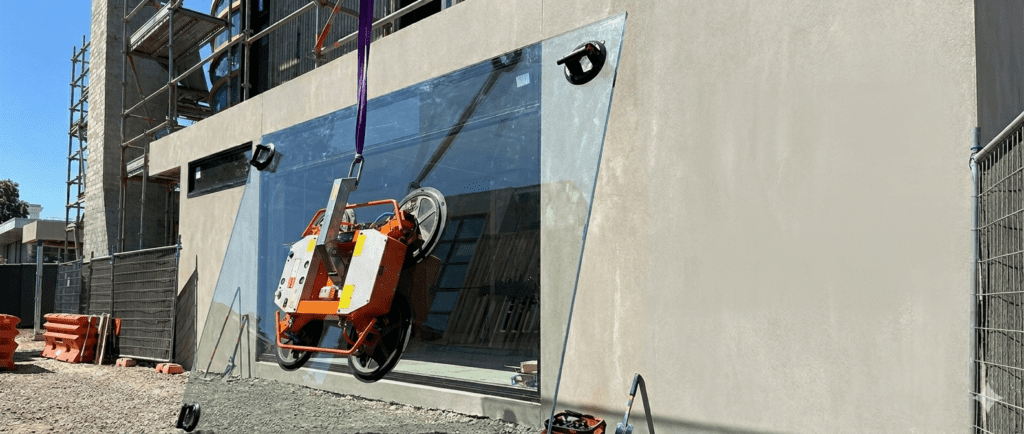
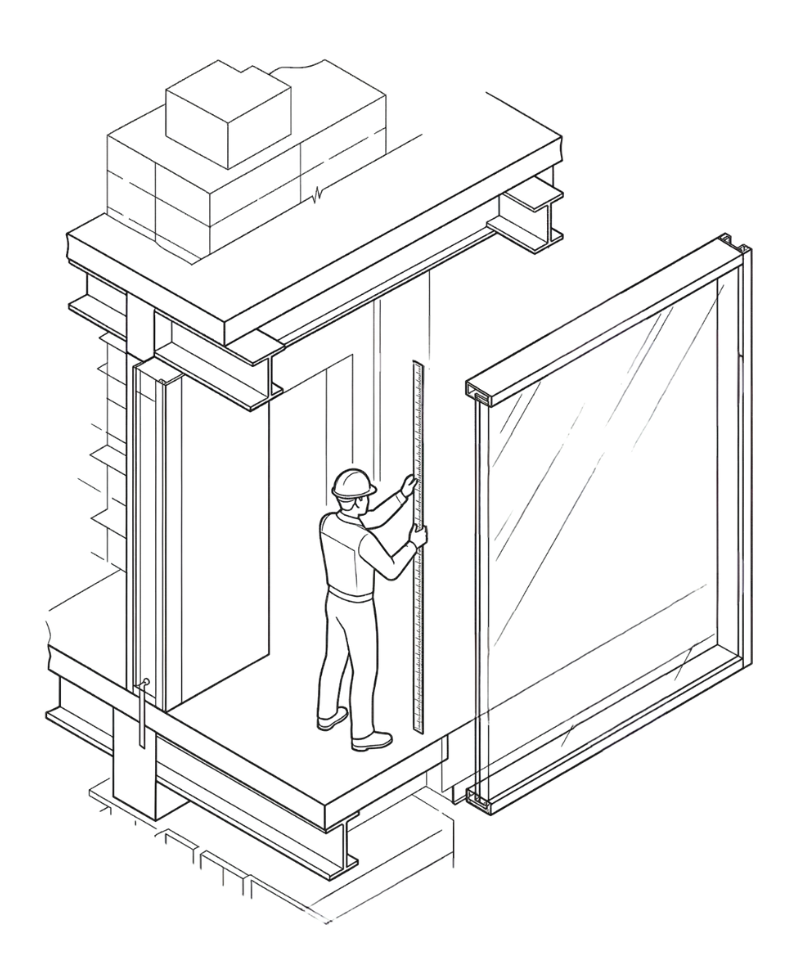
Installing glass on site is not just about lifting weight — it’s about control, precision, and safety. From large façade panels to shopfront glazing, every lift involves risk. Fragility, size, access constraints, and environmental conditions all play a role. At Lincer, we support glass installation projects across Australia with vacuum lifting solutions designed to reduce risk, improve handling, and ensure consistent performance on site.
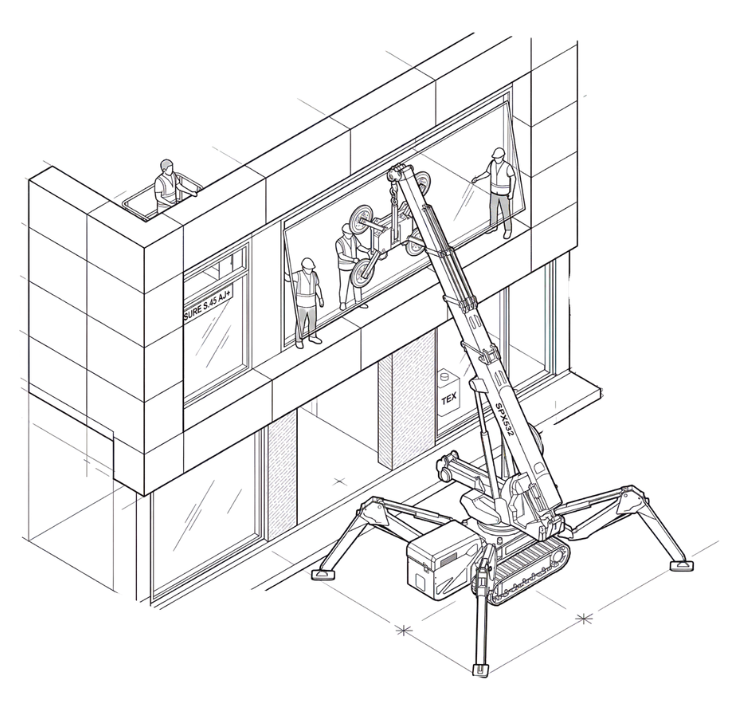
Depending on your project setup, different lifting equipment may be required to work in combination with a vacuum lifter:
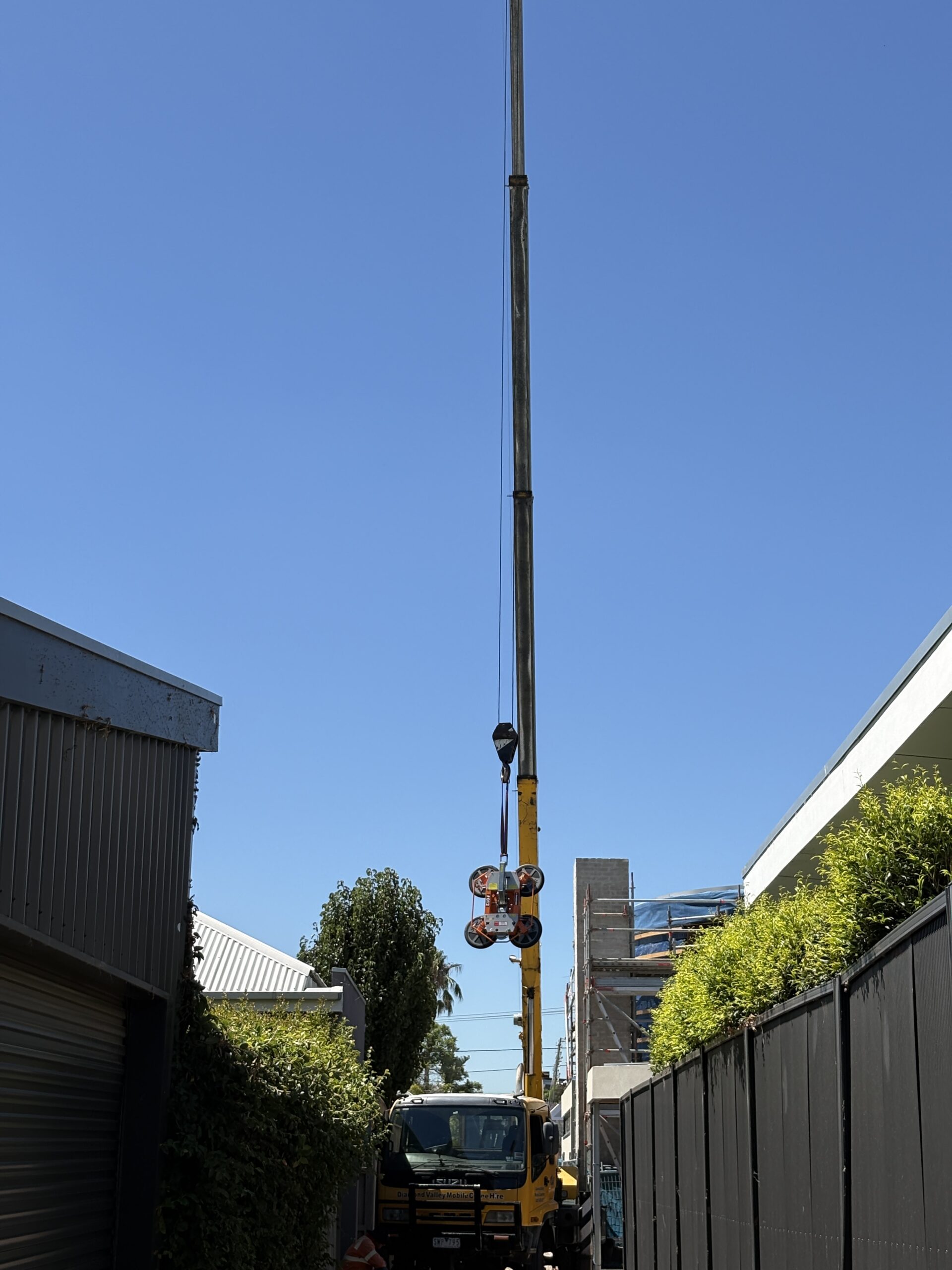
Mini crawler cranes, mobile cranes, and tower cranes for large panels and high-reach installations
Forklifts for restricted access areas or internal installations where space is limited
Telehandlers for projects requiring mobility on site, allowing operators to move and lift glass with the same lifting capacity while maintaining flexibility across different areas
Overhead cranes for industrial applications, typically used inside factories or controlled environments
Each lifting method affects how the vacuum lifter is configured and operated on site.
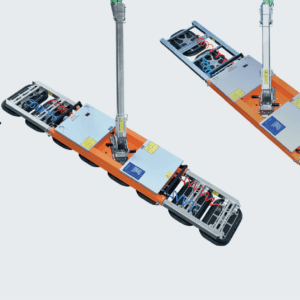
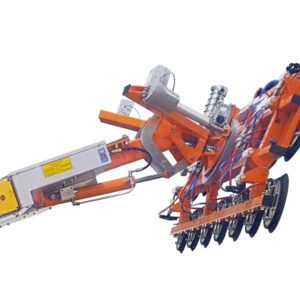
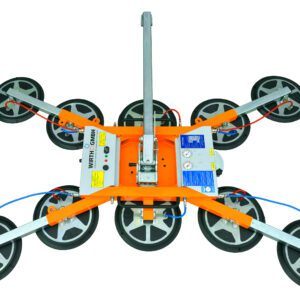
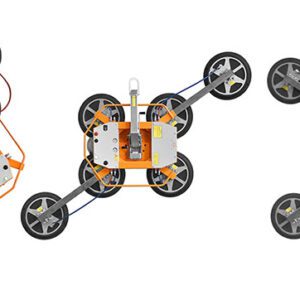
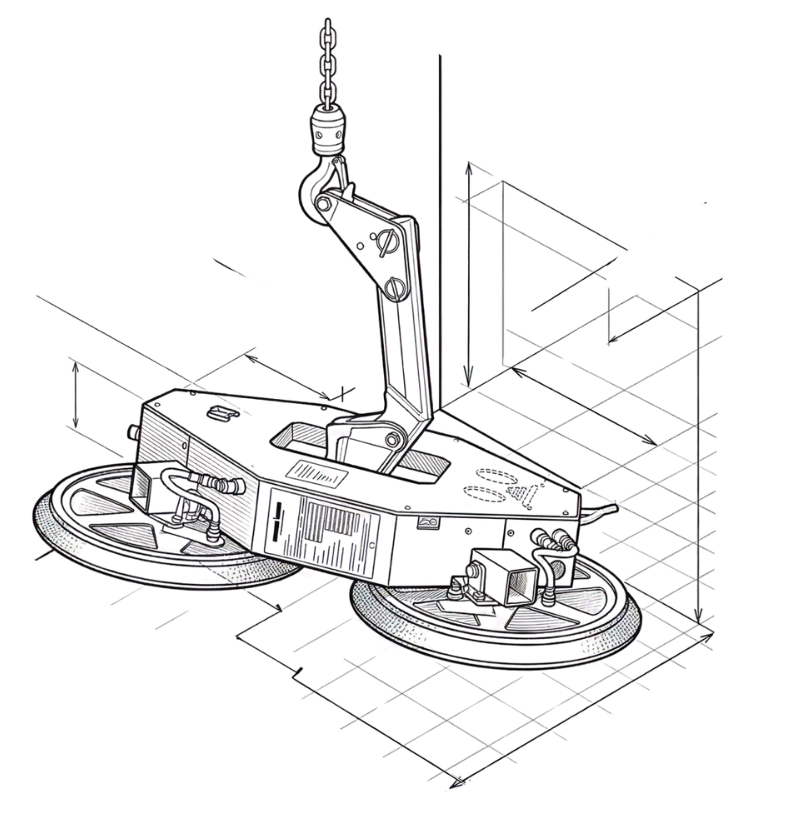
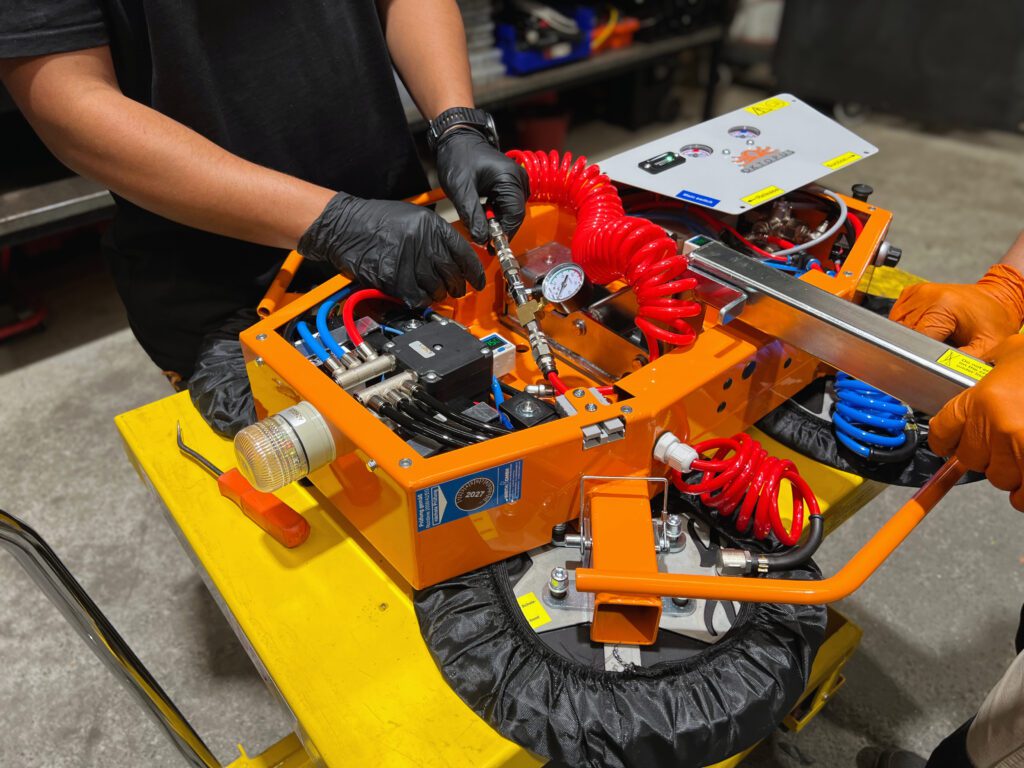
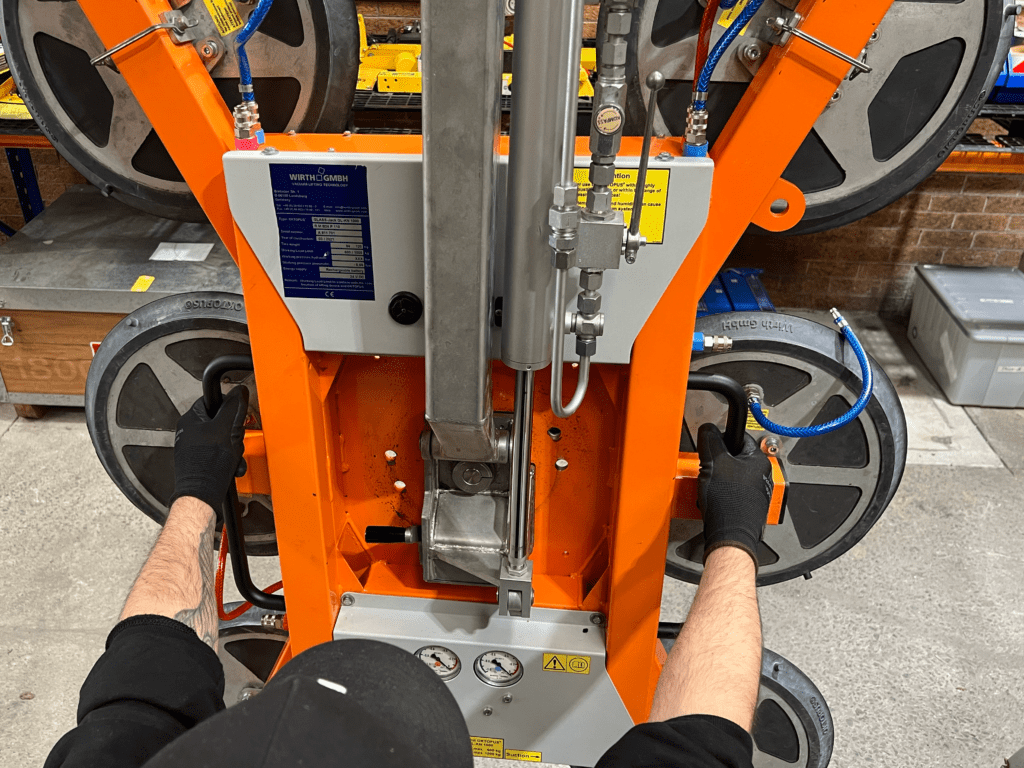
We supply and support OKTOPUS® vacuum lifters, known for their reliability, modular configurations, and suitability for both flat and curved glass.
The questions Australian installers and engineers ask us most often.
What is a vacuum lifter used for in glass installation?
A vacuum lifter grips glass panels using controlled suction, allowing glaziers to safely lift, rotate, and position glass without manual contact — reducing breakage risk and improving placement accuracy.
What size vacuum lifter do I need for glass installation?
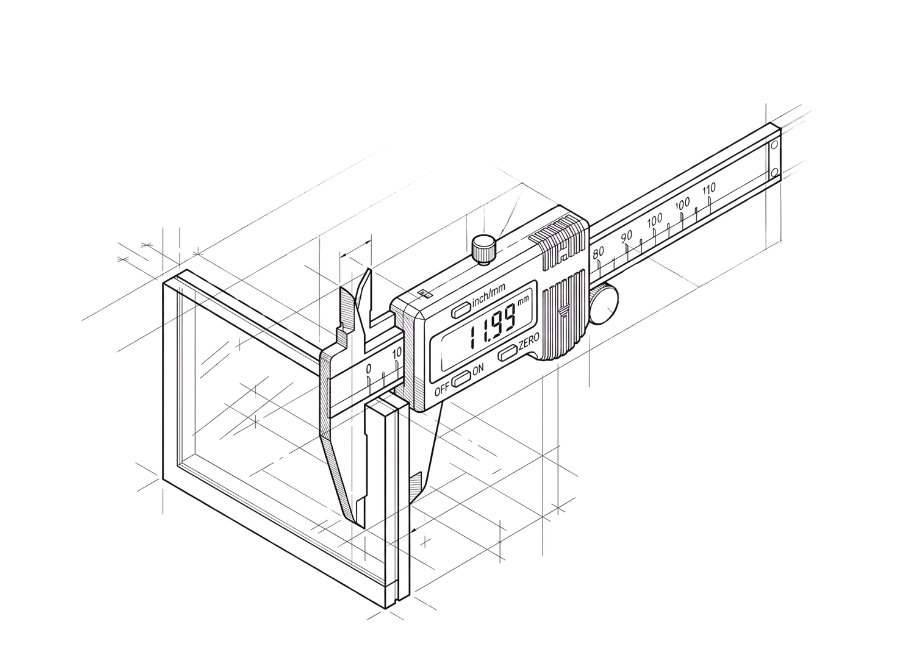
This depends on the weight and dimensions of the glass, the lifting method (crane, forklift, telehandler), and site conditions. The OKTOPUS® range covers loads from 300 kg to 1,200 kg.
Are OKTOPUS vacuum lifters compliant with Australian standards?
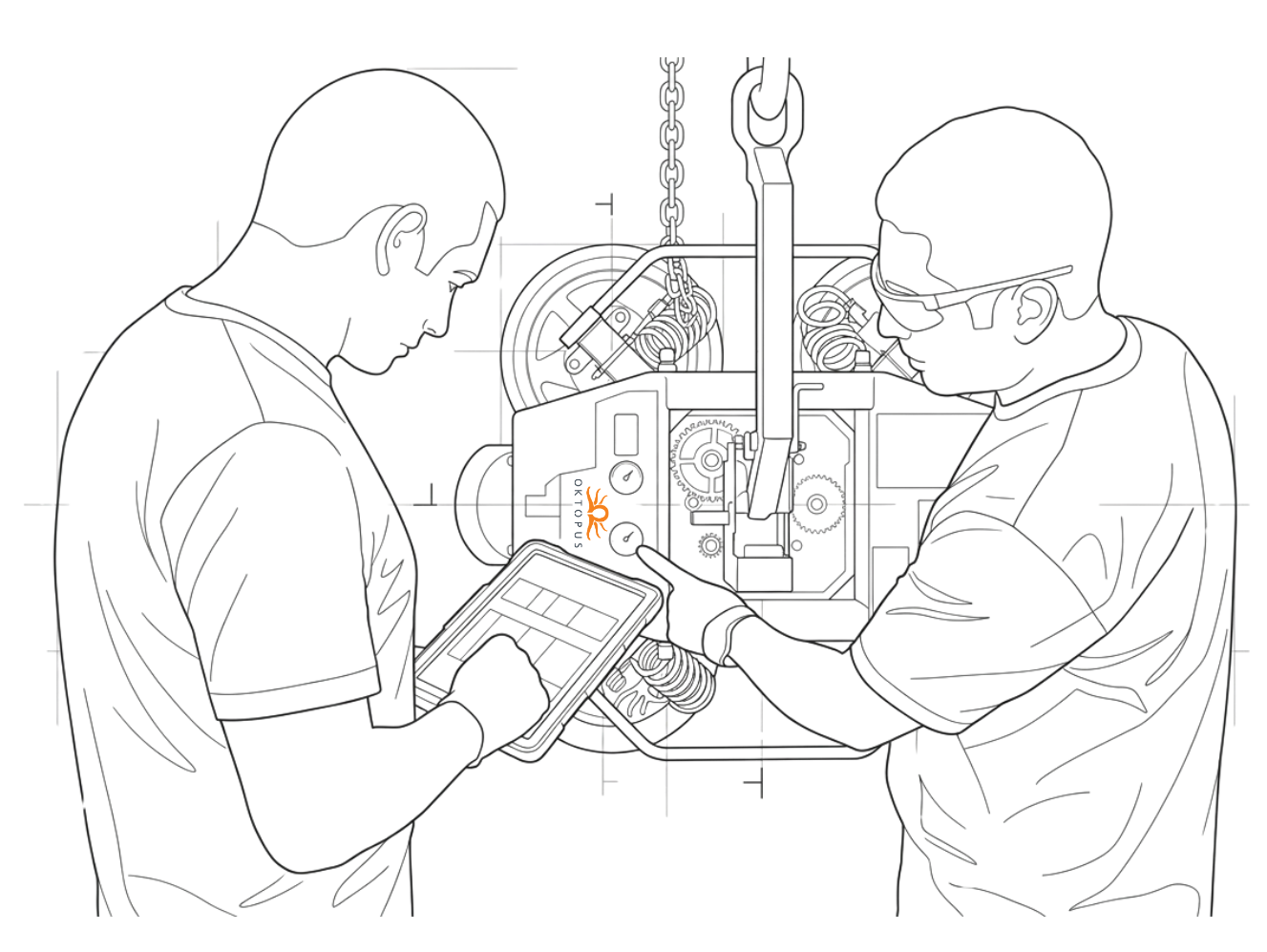
Yes. Lincer supports compliance with AS 4991 and provides inspection, testing, and certification documentation.
Do you supply vacuum lifters across Australia?
Yes — Lincer supplies and supports OKTOPUS® vacuum lifting equipment across Australia, including Sydney, Melbourne, Brisbane, and Perth.